


When summer hits its peak, especially in hot, humid climates, staying hydrated is more than just a health tip—it's a necessity. But hydration isn’t just about drinking water. There’s actual science behind how your body reacts to heat, humidity, and fluid loss, and understanding it can help you stay comfortable, active, and protected.
How Your Body Regulates Temperature
Your body maintains its temperature through a process called thermoregulation. When temperatures rise, your body begins to cool itself primarily through sweating. As sweat evaporates from your skin, it removes heat and helps lower your body temperature.
However, in humid environments, this system becomes less effective. The air is already filled with moisture, which slows down the evaporation process. As a result, your body continues to produce more sweat in an attempt to cool down, leading to increased fluid loss without effective cooling.
Why Humidity Makes Hydration More Difficult
Humidity changes everything. In dry heat, sweat evaporates quickly, making you feel cooler. But in humid weather, sweat lingers on your skin, making you feel sticky and overheated.
This creates a cycle:
-
Less evaporation → Less cooling
-
More sweating → More fluid loss
-
Increased fatigue → Reduced performance
Your body ends up working harder to maintain its temperature, which accelerates dehydration symptoms like fatigue, dizziness, and low energy levels.
The Hidden Risk of Fluid Loss
One of the biggest challenges in humid weather is “hidden dehydration.” Because your skin stays moist, you may not realize how much fluid you’re losing. Studies show that the body can lose significant amounts of water through sweat, even when cooling is inefficient.
Additionally, thirst is not always a reliable indicator. By the time you feel thirsty, your body may already be mildly dehydrated. This is why proactive hydration is essential, especially during outdoor activities or long hours in the heat.
The Role of Electrolytes
Hydration is not just about water—it’s also about balance. When you sweat, your body loses essential minerals like sodium and potassium. These electrolytes help regulate muscle function, nerve signals, and fluid balance.
Without proper replenishment, you may experience:
-
Muscle cramps
-
Weakness
-
Headaches
-
Reduced endurance
Maintaining proper electrolyte balance is key to staying energized and avoiding heat-related stress.
Smart Hydration Strategies
To stay properly hydrated in hot and humid weather, you need a more structured approach:
-
Drink small amounts of water frequently instead of large quantities at once
-
Increase intake during physical activity or sun exposure
-
Include electrolyte-rich drinks or foods
-
Don’t rely solely on thirst cues
-
Consume water-rich foods like fruits and vegetables
Consistent hydration supports your body’s cooling system and helps maintain energy levels throughout the day.

Beyond Hydration: Managing Sweat and Skin Comfort
While internal hydration is critical, external factors also play a role in how your body feels during summer. Excess sweating combined with friction can lead to discomfort, irritation, and chafing—especially during movement or long hours outdoors.
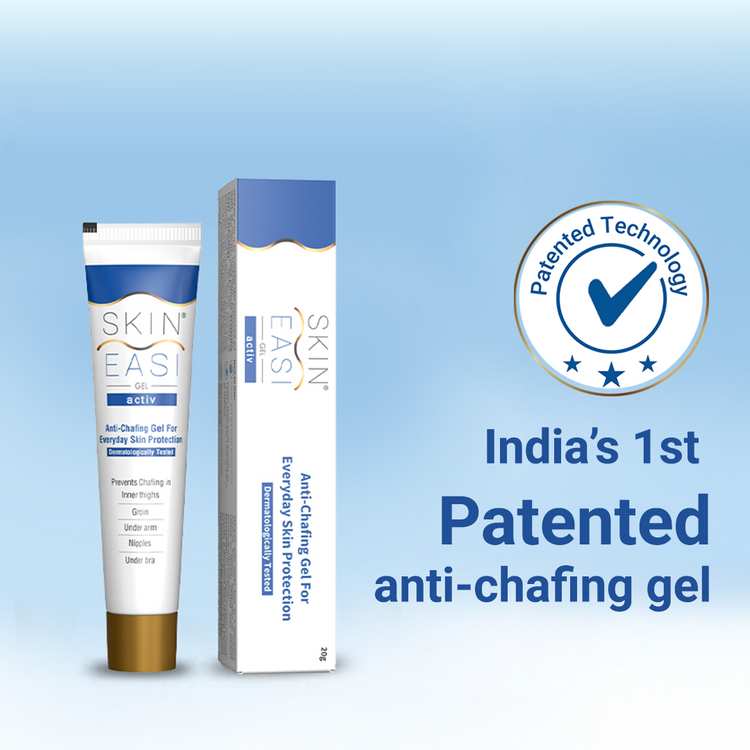
This is where supportive skincare solutions come in. Products like SkinEasi® activ Silicone Anti-Chafing Gel create a smooth, protective layer on the skin that reduces friction and irritation caused by sweat. When combined with proper hydration, it helps maintain overall comfort, allowing you to stay active without discomfort interrupting your routine.
Understanding the science behind summer hydration helps you go beyond just drinking water. It’s about supporting your body’s natural cooling system, maintaining fluid and electrolyte balance, and managing external factors like sweat and friction.
When you hydrate smartly and take care of your skin, you don’t just survive the heat—you move through it comfortably and confidently.


