

Acne may disappear, but its effects on the skin do not always disappear with it. For many people, the end of an acne breakout marks the beginning of another skincare concern: persistent marks, uneven skin tone, changes in skin texture, and scars. While active acne is often the primary focus of treatment, understanding what happens to the skin after a breakout is equally important.
Post-acne scars can affect the skin long after inflammation has settled. Understanding how they develop, why they persist,t and what can help improve their appearance is essential for maintaining healthy skin.
What Happens to Your Skin After Acne?
Acne develops when hair follicles become clogged with excess sebum, dead skin cells, ls and bacteria. This can trigger inflammation within the skin. When the inflammation is deep or prolonged, it can damage surrounding tissue and affect the skin's natural healing process.
As the skin repairs itself, it produces collagen, a structural protein responsible for maintaining skin strength and elasticity. If too little collagen is produced, depressed scars may develop. Excess collagen production, on the other hand, can result in raised scars.
Not every acne mark is a permanent scar. Some are temporary pigmentation changes, while others involve actual changes in skin texture.
Understanding the Different Types of Post-Acne Scarring
Recognising the type of mark left behind by acne helps determine the right approach to skincare.
1. Post-Inflammatory Hyperpigmentation (PIH)
These are flat, dark spots that appear after an inflammatory acne breakout. They develop when inflammation stimulates excess melanin production. They are more noticeable in deeper skin tones and can take several months to fade.
2. Post-Inflammatory Erythema (PIE)
These marks appear as pink, red, or purplish spots. They are associated with changes in superficial blood vessels following inflammation and are different from pigmentation.
3. Atrophic Scars
These are depressed scars caused by insufficient collagen production during skin repair. They include ice-pick, boxcar, and rolling scars, each creating a different type of uneven skin texture.
4. Hypertrophic and Keloid Scars
Unlike depressed scars, these develop when the skin produces excess collagen during healing. They appear raised and may extend beyond the original acne-affected area, particularly in people prone to abnormal scar formation.
The Long-Term Effects of Post-Acne Scarring
Post-acne scarring is not simply a cosmetic concern. Its effects can extend beyond the visible surface of the skin.
1. Persistent Uneven Skin Texture
Depressed or raised scars can alter the natural texture of the skin. Even after active acne is under control, these changes may remain noticeable and can be difficult to improve.
2. Long-Lasting Pigmentation
Dark spots left behind by inflammation can persist for months, especially when the skin is exposed to ultraviolet radiation without adequate sun protection. This can contribute to an uneven complexion.
3. Changes in Skin Confidence
Visible acne marks and scars can influence how people feel about their appearance. Some individuals may become more conscious of their skin in photographs, social settings,s or everyday interactions.
4. Ongoing Skincare Challenges
Skin with a history of acne may remain prone to inflammation, clogged pores, es and recurring breakouts. Aggressive exfoliation or picking at existing pimples can further compromise the skin barrier and increase the risk of additional marks.
How Can You Prevent Acne from Leaving Lasting Marks?
Prevention begins while acne is active. A consistent, gentle skincare routine can help reduce inflammation and support the skin's natural repair process.
-
Avoid picking or squeezing pimples: Physical trauma can worsen inflammation and increase the risk of scarring.
-
Use gentle cleansers: Avoid harsh cleansing products that strip the skin of its natural moisture.
-
Apply sunscreen daily: Broad-spectrum SPF 30 or higher helps prevent existing pigmentation from becoming darker.
-
Maintain skin hydration: A healthy skin barrier supports the natural healing process.
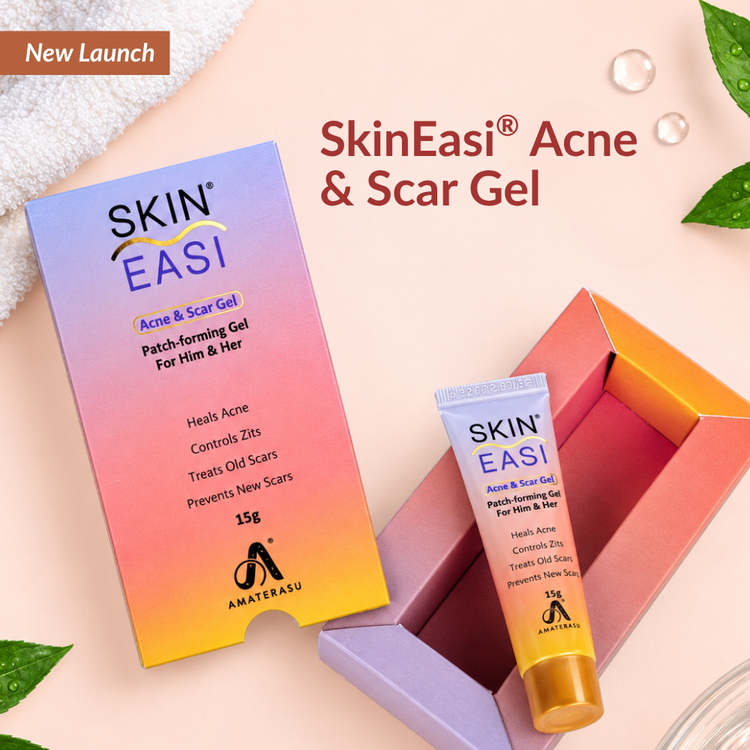

Supporting Skin Recovery with SkinEasi® Acne & Scar Gel
Addressing post-acne concerns requires skincare that supports the skin's natural healing process. SkinEasi® Acne & Scar Gel is designed to address active acne and the appearance of old and new acne scars through its patented in-situ patch-forming technology.
The gel dries into a thin, invisible silicone patch that creates a protective barrier over the affected area while helping maintain moisture. Its formulation includes a silicone elastomer base, Centella Asiatica (CICA), and Vitamin E, ingredients selected to support skin recovery and improve the appearance of acne-affected skin.
The invisible patch helps protect the affected area from external irritants while maintaining a moisture-balanced environment. Designed for both men and women, it is dermatologically tested, non-comedogenic, and formulated without artificial colour or added fragrance. With regular use, it helps calm active breakouts, reduce redness, and improve the appearance of old and new acne scars.
For application, cleanse and dry the affected area before applying a thin layer directly over the pimple or scar. Allow it to dry before continuing with your regular skincare routine.
Conclusion
Acne management should not end when breakouts disappear. The marks and scars left behind deserve attention too. Understanding the difference between pigmentation and structural scarring helps people make informed skincare choices and set realistic expectations.
A gentle skincare routine, sun protection, early intervention, and appropriate targeted treatments can make a meaningful difference in supporting healthier-looking skin over time. Achieving healthy skin is not just about preventing breakouts; it is also about supporting the skin through its recovery.


