

Acne is one of the most common skin problems affecting millions of people worldwide. While it is often associated with teenagers, acne can affect adults, too. But have you ever wondered why you get acne? Understanding the root causes is essential not only for effective treatment but also for preventing future breakouts.
Acne develops when hair follicles under your skin become clogged with oil, dead skin cells, and bacteria. Although it may seem simple, multiple factors contribute to acne development, including hormones, diet, lifestyle, and genetics.

What Causes Acne?
1. Excess Sebum Production
The skin naturally produces sebum (oil) to keep it hydrated and protect it from external pollutants. However, overproduction of sebum can clog pores, leading to blackheads, whiteheads, and inflamed pimples. Oily skin types are more prone to acne due to excessive sebum production.
2. Hormonal Changes
Hormonal fluctuations are a major cause of acne. During puberty, menstruation, pregnancy, or periods of high stress, hormones called androgens increase sebum production. This is why hormonal acne often appears on the forehead, chin, and jawline. Adults, especially women, may experience breakouts around their menstrual cycle or due to polycystic ovarian syndrome (PCOS).
3. Bacterial Infection
The bacterium Propionibacterium acnes (P. acnes) naturally exists on our skin. When pores are blocked by oil and dead skin cells, these bacteria multiply, causing redness, inflammation, and pus-filled pimples. This is why proper cleansing and antibacterial treatments are essential in an acne treatment routine.
4. Diet and Lifestyle
Recent studies show that diets high in sugar, dairy, and processed foods can trigger acne in some individuals. Maintaining a healthy skincare routine combined with a balanced diet rich in fruits, vegetables, and water can reduce the frequency and severity of breakouts. Lifestyle factors like lack of sleep, stress, and smoking also contribute to acne development.
5. Genetics
Family history plays a significant role in acne susceptibility. If your parents had acne, you are more likely to experience it too. Genetics can affect your skin type, sebum production, and inflammatory response, all of which are important in determining why acne appears.
Types of Acne
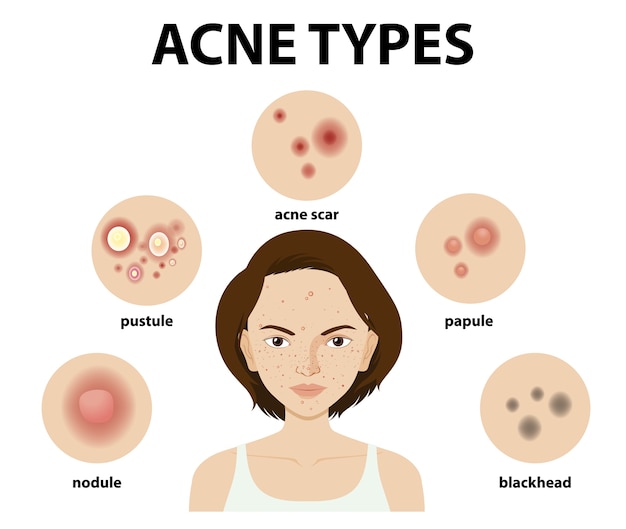
Knowing the type of acne helps in choosing the right treatment:
-
Whiteheads: Closed pores filled with oil and dead skin cells
-
Blackheads: Open pores exposed to air, causing oxidation and dark spots
-
Papules and Pustules: Inflamed, red, or pus-filled bumps
-
Cysts and Nodules: Severe, painful acne deep under the skin
How to Prevent Acne
While you cannot change genetics, certain practices can reduce acne risk:
-
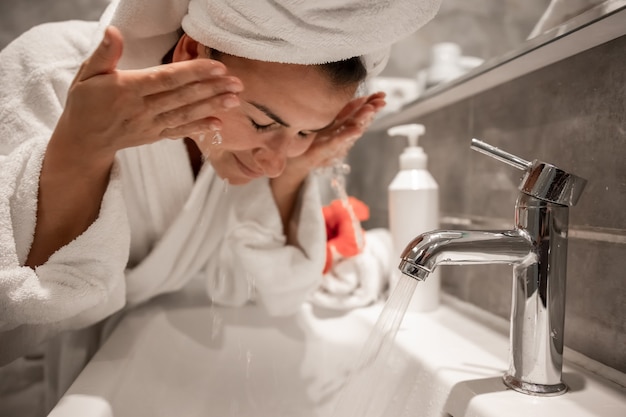
Wash your face twice daily with a gentle, non-comedogenic cleanser
-
Avoid harsh scrubbing, which irritates the skin and worsens acne.
-
Use non-comedogenic skincare products and makeup.
-
Follow a diet rich in antioxidants and low in refined sugar.
-
Manage stress with yoga, meditation, or regular exercise.
-
Avoid touching your face frequently to prevent bacteria transfer.
Final Thoughts
Understanding the causes of acne helps you manage breakouts effectively. Consistent skincare, a balanced diet, and stress management can reduce flare-ups. For persistent or severe acne, seeking professional advice ensures proper treatment and healthier skin.


