


Acne is a common skin condition, but the marks it leaves behind can be more distressing than the breakout itself. Acne scars develop when inflamed blemishes damage the deeper layers of the skin. While some people only experience temporary marks, others develop permanent acne scars that affect skin texture and confidence. Understanding the types of acne scars and the causes of acne scars is essential for prevention and informed treatment decisions.
What Are Acne Scars?
Acne scars are long-term changes in skin texture that occur after acne lesions heal. When acne penetrates deep into the skin, especially in cases of inflammatory acne, it damages tissue and collagen fibers. During healing, the body produces collagen to repair the wound. If too little or too much collagen is formed, visible scars appear.
It’s important to distinguish between acne marks and acne scars. Dark spots (post-inflammatory hyperpigmentation) and red marks (post-inflammatory erythema) are temporary discolorations. True acne scarring involves structural damage to the skin and does not fade easily without treatment.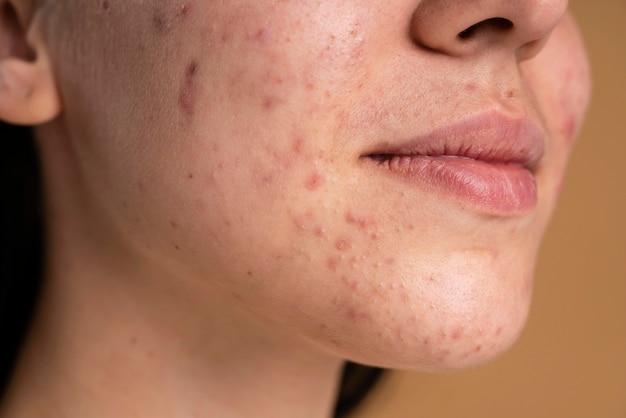
Causes of Acne Scars
Understanding the causes of acne scars helps in reducing the risk of long-term damage.
1. Severe Inflammation
Cystic and nodular acne penetrate deep into the dermis, causing significant tissue destruction. The more severe the inflammation, the higher the risk of deep acne scars.
2. Collagen Imbalance
Collagen plays a central role in healing.
-
Too little collagen leads to depressed scars.
-
Excess collagen leads to raised scars.
This imbalance explains the different acne scar types seen in clinical practice.
3. Picking or Squeezing Pimples
Manual manipulation increases inflammation and pushes bacteria deeper into the skin. This significantly raises the chances of permanent acne scars.
4. Delayed or Inadequate Treatment
Untreated acne tends to worsen over time. Early intervention can prevent the progression to severe lesions that cause scarring from acne.
5. Genetic Predisposition
Some individuals are more prone to excessive collagen production, making them susceptible to hypertrophic or keloid scars.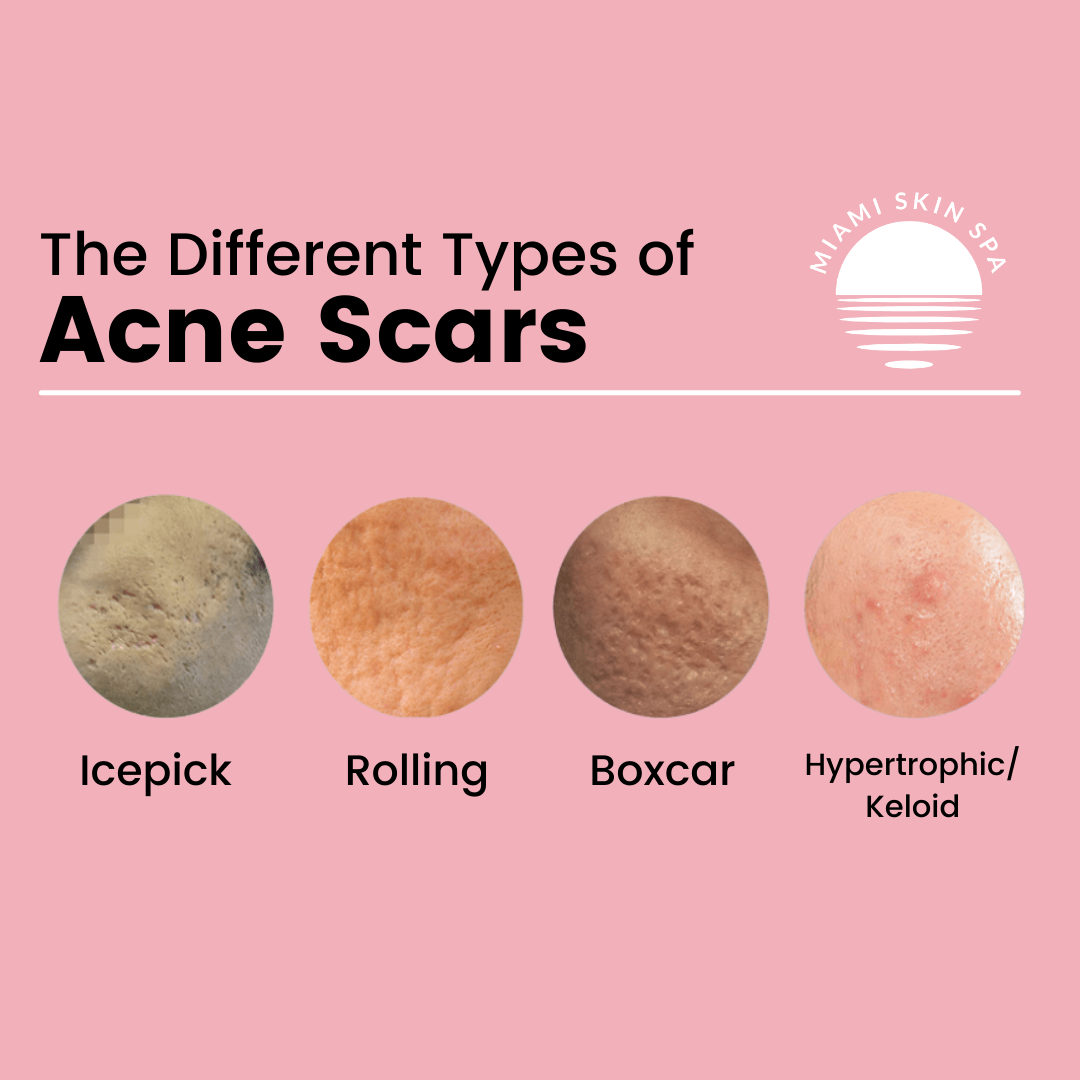
Types of Acne Scars
There are two main categories of types of acne scars: atrophic (depressed) and hypertrophic (raised).
1. Atrophic Acne Scars (Depressed Scars)
These are the most common form of acne scars and appear as indentations in the skin.
-
Ice Pick Scars: Deep, narrow scars that resemble tiny punctures. They often result from severe cystic acne and are considered challenging to treat.
-
Boxcar Scars: Broad depressions with sharp edges, commonly found on the cheeks.
-
Rolling Scars: Wide depressions with sloping edges that create a wavy skin appearance.
These scars develop due to loss of collagen during the healing process.
2. Hypertrophic and Keloid Scars (Raised Scars)
These occur due to excessive collagen production.
-
Hypertrophic scars remain within the boundary of the original acne lesion.
-
Keloid scars extend beyond the original area and are more common on the chest, back, and jawline.
These types are associated with overactive wound healing responses.

The Science Behind Acne Scarring
From a dermatological standpoint, acne scars are a result of the skin’s natural repair mechanism. The skin consists of the epidermis and dermis. When acne damages the dermis, fibroblast cells produce collagen to repair the injury. If the collagen network is disrupted or unevenly distributed, skin texture damage from acne becomes permanent.
Inflammatory mediators released during severe breakouts also influence how the wound heals. This explains why early treatment of inflammatory acne significantly reduces the risk of scarring.
Can Acne Scars Be Prevented?
While not all acne scars can be avoided, preventive steps reduce the risk:
-
Treat acne early with proper skincare
-
Avoid picking or squeezing pimples
-
Use dermatologist-recommended treatments
-
Protect skin from sun exposure
-
Maintain a consistent skincare routine
Preventing severe breakouts is the most effective way to minimise long-term acne scars.
Conclusion
Acne scars are a common but preventable consequence of untreated or severe acne. By understanding the types of acne scars and the causes of acne scars, individuals can make informed decisions about skincare and early intervention. Whether it’s ice pick scars, boxcar scars, or raised scars, the root cause lies in inflammation and collagen imbalance. Education and timely treatment are key to preserving smooth, healthy skin.


